The Pressure to “Be Okay”—and Why It Hurts
The Pressure to “Be Okay”—and Why It Hurts
After a loss, there’s often an unspoken expectation that slowly begins to take shape.
At first, there is space to grieve. People check in. They offer support. They understand that everything feels heavy.
But over time, something shifts.
The messages become less frequent. Life around you begins to move forward. And without anyone saying it directly, you may start to feel it—that quiet pressure to be okay.
To smile again.
To function normally.
To “get back to yourself.”
And if you’re not there yet, it can feel like you’re falling behind.
Where This Pressure Comes From
This expectation doesn’t always come from others in a clear or intentional way. Sometimes it’s subtle. Sometimes it’s internal.
It can come from:
- Wanting to avoid making others uncomfortable
- Feeling like you’ve grieved “long enough”
- Comparing your experience to how others seem to cope
- Believing that healing should follow a timeline
In reality, grief doesn’t follow a schedule. It doesn’t move in straight lines. And it doesn’t respond well to pressure.
Why “Being Okay” Can Feel So Difficult
The idea of being “okay” after a loss can feel confusing.
What does “okay” even mean?
Does it mean the pain is gone?
Does it mean you’ve accepted what happened?
Does it mean you no longer feel the absence?
For many people, none of those things are entirely true.
Instead, “being okay” often becomes something we perform. We say we’re fine. We show up. We carry on. But internally, the experience can be very different.
That disconnect—between how you feel and how you believe you’re supposed to feel—is where much of the pain comes from.
The Problem With Rushing Grief
When grief is rushed or pushed aside, it doesn’t disappear.
It often shows up in other ways:
- Emotional exhaustion
- Irritability or numbness
- Difficulty focusing
- A lingering sense of disconnection
Allowing yourself to move at your own pace isn’t a setback—it’s part of healing.
Giving Yourself Permission Not to Be Okay
There is a quiet kind of relief in letting go of the expectation to be “okay.”
It might look like:
- Saying “I’m having a hard day” instead of “I’m fine”
- Taking breaks when emotions feel overwhelming
- Allowing moments of sadness without trying to fix them
- Accepting that healing can coexist with pain
You don’t have to force yourself into a version of okayness that doesn’t feel real.
What Support Can Look Like Instead
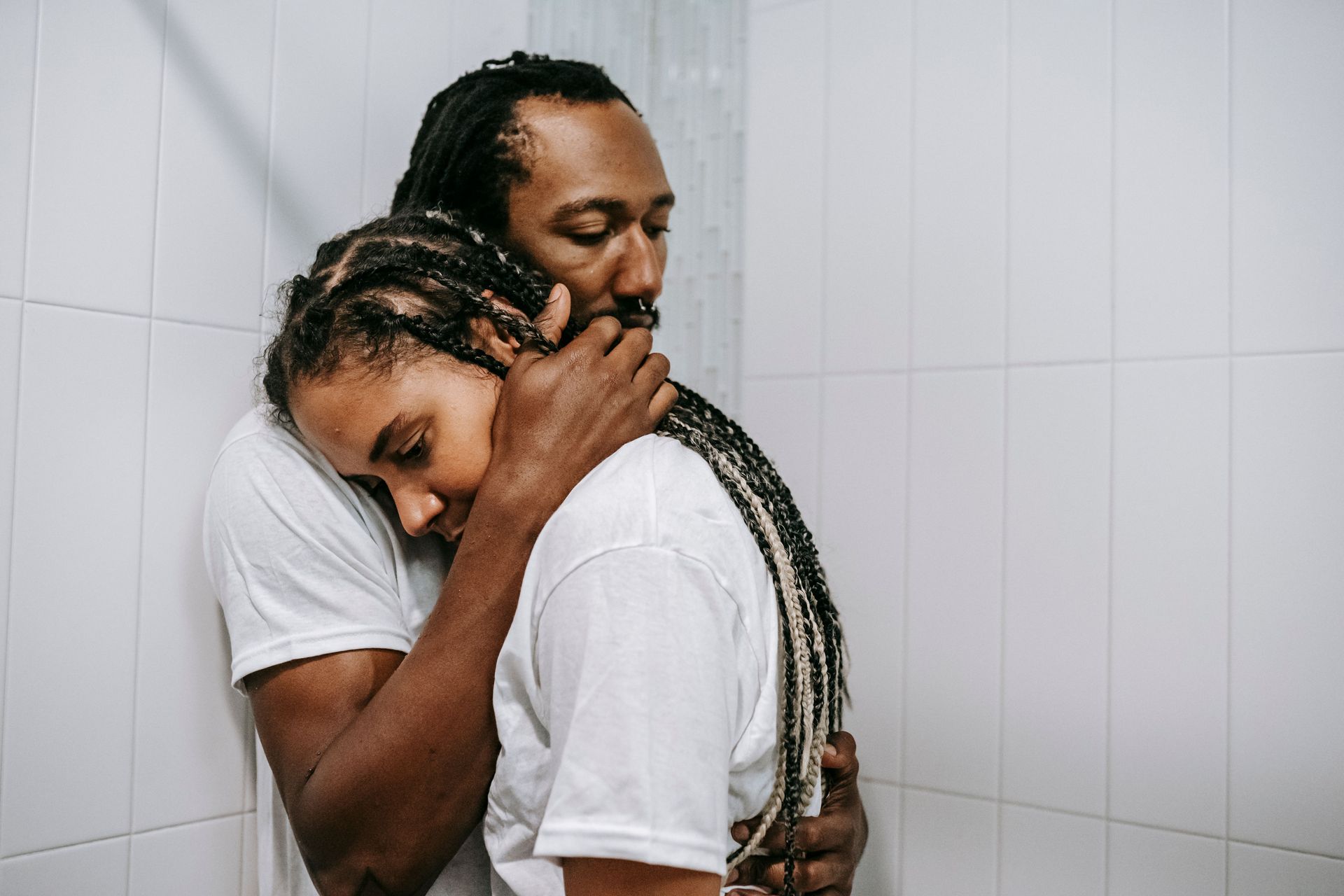
If you’re supporting someone who is grieving, the most helpful thing is often not encouragement to “move forward,” but permission to feel.
Simple presence can matter more than words:
- Listening without trying to solve
- Checking in without expectations
- Allowing space for both silence and emotion
Sometimes, what people need most is to know they don’t have to pretend.
A Final Thought
Grief is not something to overcome quickly. It is something to move through—slowly, unevenly, and in your own way.
You are not behind.
You are not doing it wrong.
And you do not have to be okay before you’re ready.
In time, “okay” may come to mean something different—not the absence of pain, but the ability to carry it with a little more ease.
Until then, it’s enough to simply be where you are.