Why Do We Get Nostalgic?
Why the Past Can Feel So Close, Even When We Know We Can Never Go Back
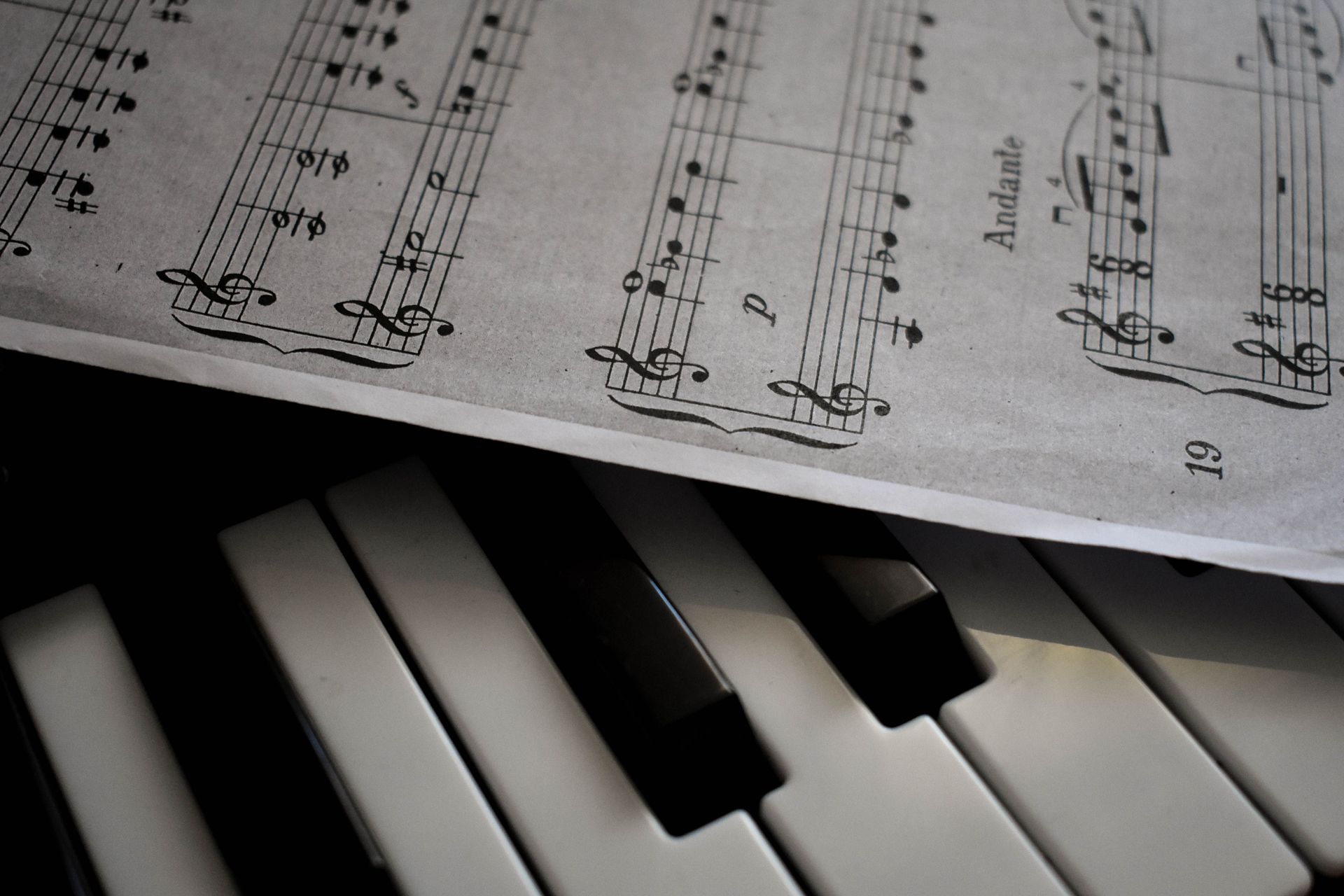
Have you ever heard a song that instantly transported you to another time? Maybe it reminded you of a childhood summer, a long car ride with your family, or someone you haven't seen in years. For a moment, it can feel as though you're right back there.
That feeling is nostalgia. It can arrive unexpectedly, sparked by a familiar smell, an old photograph, a favorite meal, or even a place you haven't visited in decades.
But why does the past have such a powerful hold on us? And why do some memories feel so meaningful long after the moments themselves have passed?
What Exactly Is Nostalgia?
Nostalgia is a sentimental feeling we experience when we think about meaningful parts of our past. It often brings a mixture of happiness and sadness: happiness because we remember something we loved, and sadness because we can't return to that exact moment.
The word itself has an interesting history. It was coined in the 17th century from Greek roots meaning something like “homecoming” and “pain.” Originally, it described the longing people felt for home while away. Today, nostalgia can apply to almost any meaningful part of our past.
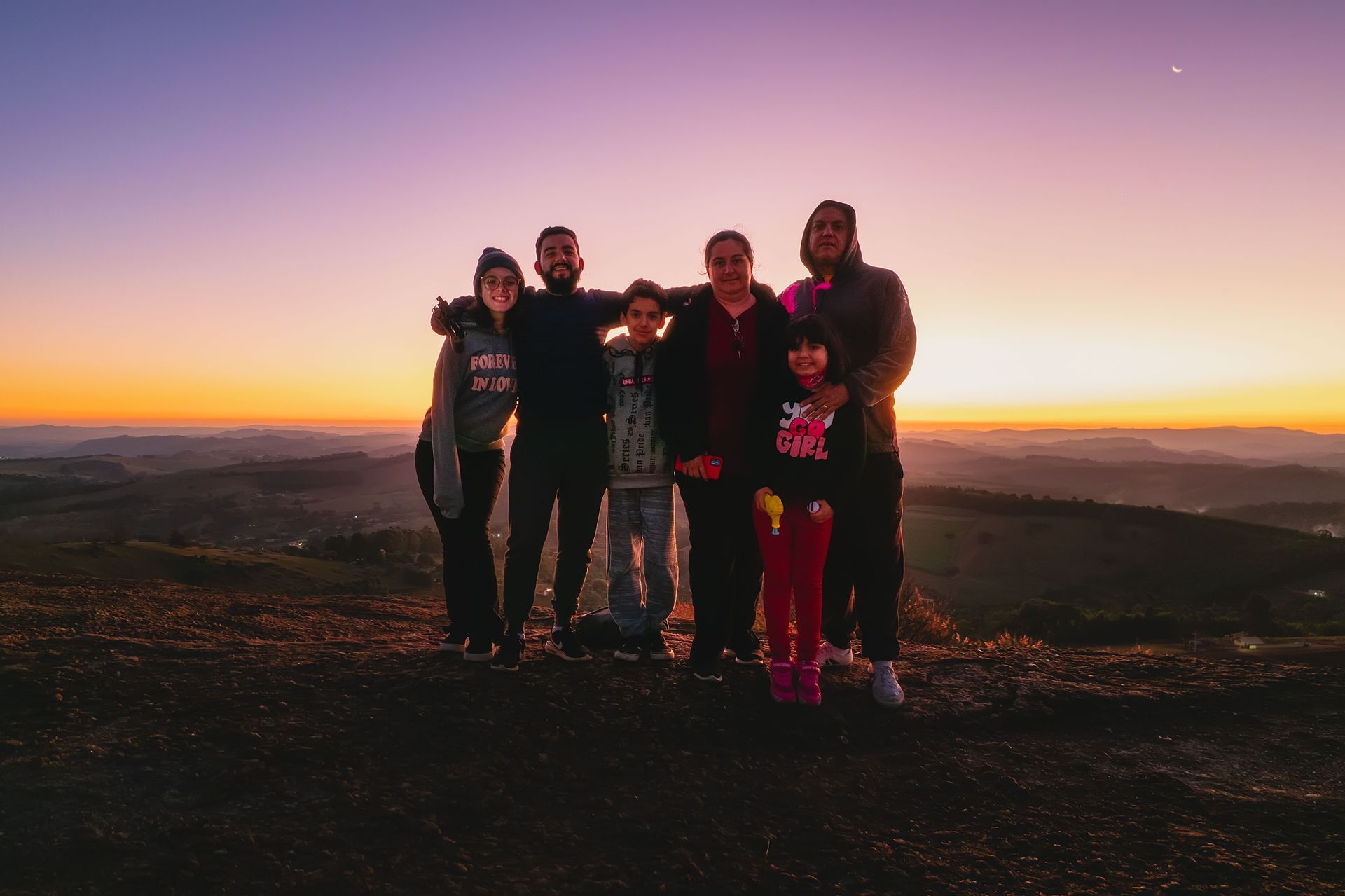
We might feel nostalgic about our childhood, our first friendships, family gatherings, old neighborhoods, or a period of life that seemed ordinary while we were living through it.
Sometimes, we don't even miss the circumstances themselves. We miss the people we were with, the way life felt, or the sense of possibility we had at the time.
Why Does Nostalgia Feel So Powerful?
Our memories are more than simple records of what happened. They are connected to our emotions, relationships, and sense of identity.
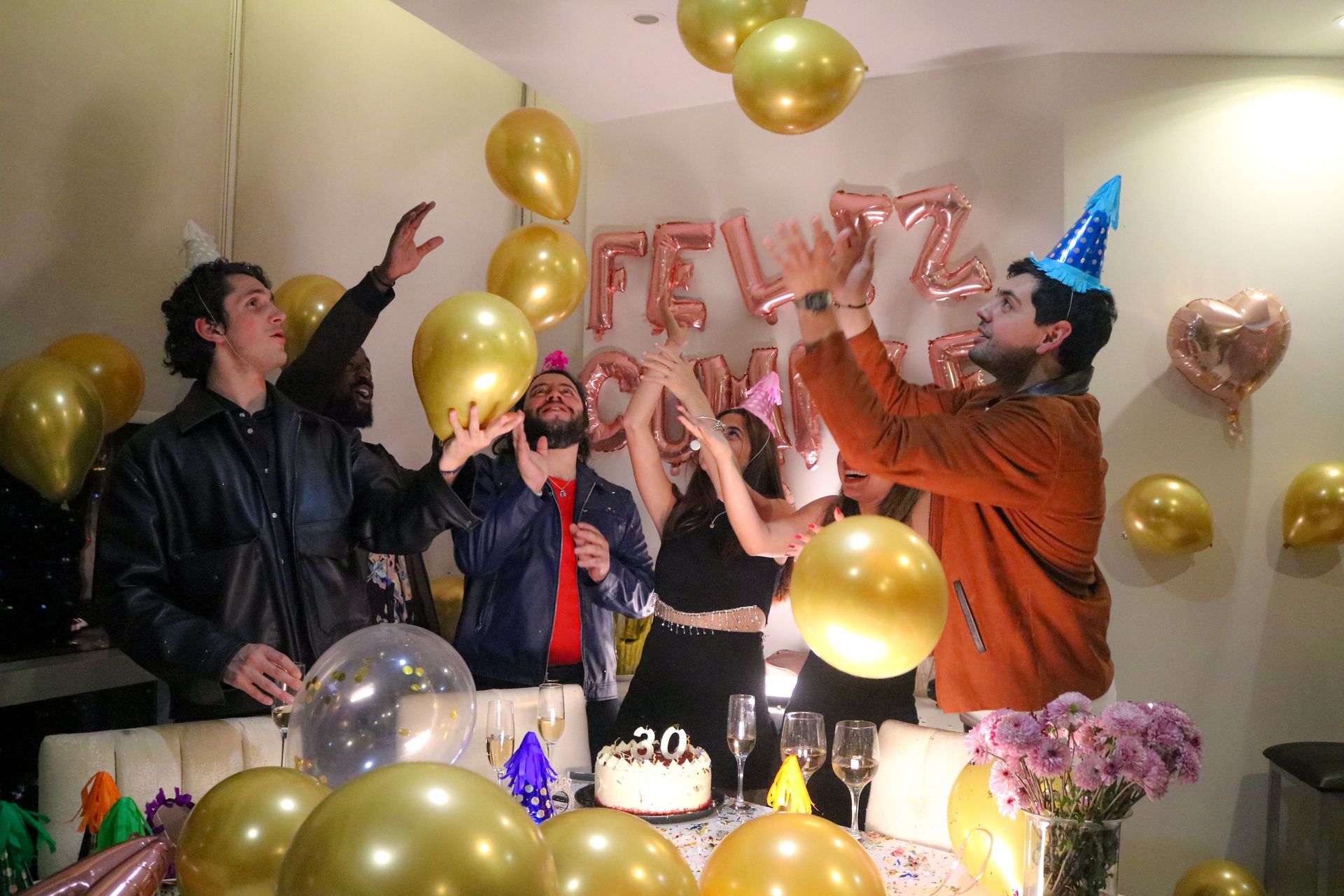
When we remember a meaningful experience, we're often remembering how it made us feel, too. A family holiday might bring back the warmth of being surrounded by familiar faces. A school photograph might remind us of friendships that once seemed permanent. A song might bring back the excitement of a time when everything felt new.
Nostalgia helps connect our past experiences with the people we've become. It reminds us that our lives have a story, and that the moments we've experienced have helped shape us.
Interestingly, nostalgia isn't always triggered by something happy. Sometimes, we turn toward familiar memories when we're stressed, lonely, or facing change. Remembering people and places that once made us feel connected can provide comfort when the present feels uncertain.
Why Do Certain Things Take Us Back in Time?
Have you ever noticed how a particular smell can remind you of your grandparents' house, or how a few notes of a song can bring back an entire period of your life?
That's because our senses are closely connected to memory.
Music can become associated with specific people, places, and experiences. Hearing an old favorite can bring back not only the song but also the feelings and details surrounding the time when we listened to it.
Smells can be especially powerful memory triggers because the brain systems involved in processing smell are closely connected to areas involved in emotion and memory.
Photographs and familiar objects give us something concrete to connect with the past. An old toy, a handwritten recipe, or a faded picture can prompt us to remember details we haven't thought about in years.
Sometimes, the smallest things unlock the biggest memories. We may forget an ordinary afternoon until a familiar sound or scent suddenly brings it back.
Why Do We Sometimes Miss Moments We Didn't Appreciate at the Time?
One of the strangest parts of nostalgia is realizing that we miss experiences we barely noticed while they were happening.
Think about an ordinary family dinner, a routine drive to school, or an afternoon spent doing very little with friends. At the time, these moments might not have seemed especially important. They were simply part of everyday life.
Years later, those same experiences can become some of our favorite memories.
Part of the reason is perspective. As time passes, we gain a better understanding of what has changed. People move away, children grow up, routines disappear, and familiar places take on new meaning.
We begin to recognize the value of things that once felt ordinary.
That doesn't mean every past moment was perfect. Memory can emphasize the emotional highlights while leaving out some of the frustrations and difficulties. Nostalgia often gives us a selective view of the past, which is why remembering a time fondly doesn't necessarily mean we would want to live through it again.
Sometimes, we don't miss the entire period of our lives. We miss a particular feeling, relationship, or version of everyday life.
Is Nostalgia Good for Us?
In many cases, yes.
Research suggests that nostalgia can support feelings of social connection, meaning, and continuity in our lives. Remembering people who mattered to us can remind us that we belong to something larger than ourselves.
Nostalgic memories can also help us appreciate how much we've experienced and how our relationships have influenced us. Looking back on a difficult period may even help us recognize our own growth.
However, nostalgia can become less helpful when we constantly compare the present to an idealized version of the past. If we convince ourselves that everything was better before, we may overlook the good things happening in our lives today.
The goal isn't to live in the past. It's to understand what those memories mean to us and carry the best parts forward.
How to Make More Memories Worth Looking Back On
We can't predict which moments we'll remember years from now. Often, the memories that stay with us are not the ones we deliberately plan to make.
Still, we can make room for more meaningful experiences.
Put your phone away sometimes. Give the people around you your attention. Being present helps you experience the moment rather than simply documenting it.
Ask family members about their memories. Find out what your parents remember about their childhoods or what your grandparents were like when they were young. You may discover stories you've never heard before.
Keep a few reminders of meaningful experiences. Photographs, handwritten notes, recipes, and small keepsakes can help preserve details that might otherwise fade.
Create traditions. A regular family meal, an annual outing, or a favorite holiday activity can become something people look forward to and remember long afterward.
Pay attention to ordinary days. Not every meaningful memory comes from a vacation, celebration, or major milestone. Sometimes, the moments that matter most are the ones we almost overlook.
You don't have to make every day extraordinary. You just have to leave yourself room to experience it.
The Past Is Part of Our Story
Nostalgia reminds us that our lives are made up of more than the major milestones we celebrate. They are also made up of familiar voices, repeated traditions, shared jokes, favorite songs, and ordinary moments spent with people who matter to us.
Some of those moments may not seem particularly important today. Years from now, they might be the ones we remember most clearly.
We can't return to the past, and we don't need to. We can appreciate what it gave us, share the stories that still make us smile, and use those memories to bring more meaning into the present.
After all, sometimes the memories we look back on most fondly began as moments we barely realized we would miss.
The body content of your post goes here. To edit this text, click on it and delete this default text and start typing your own or paste your own from a different source.